
Tylosin Tartrate Injection 20% is a potent antibiotic widely used in veterinary medicine, particularly for treating infections caused by microorganisms susceptible to tylosin. This injectable formulation is especially effective in managing respiratory infections, enzootic pneumonia, arthritis, and metritis in various livestock species, including cattle, pigs, sheep and goats.
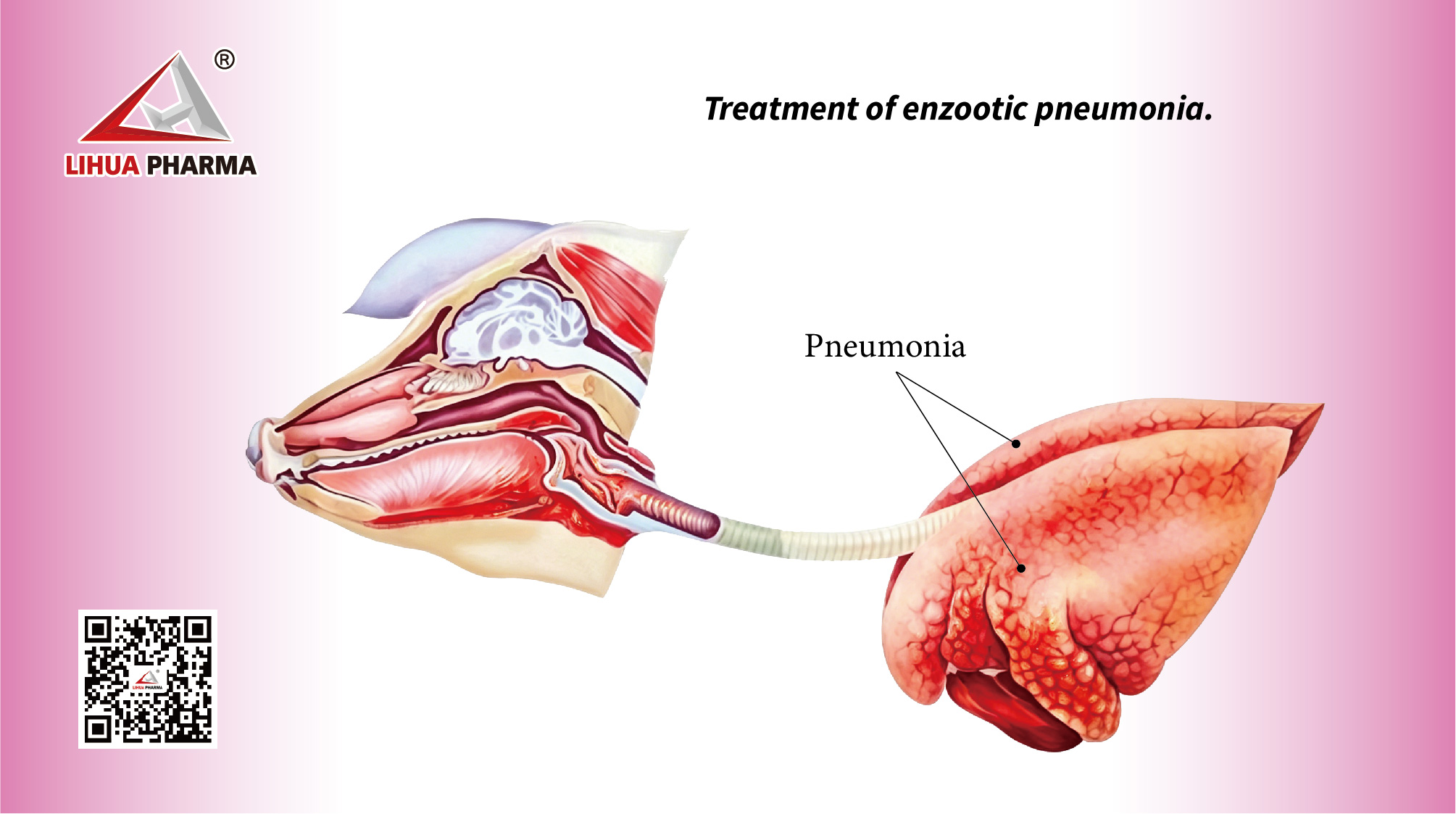
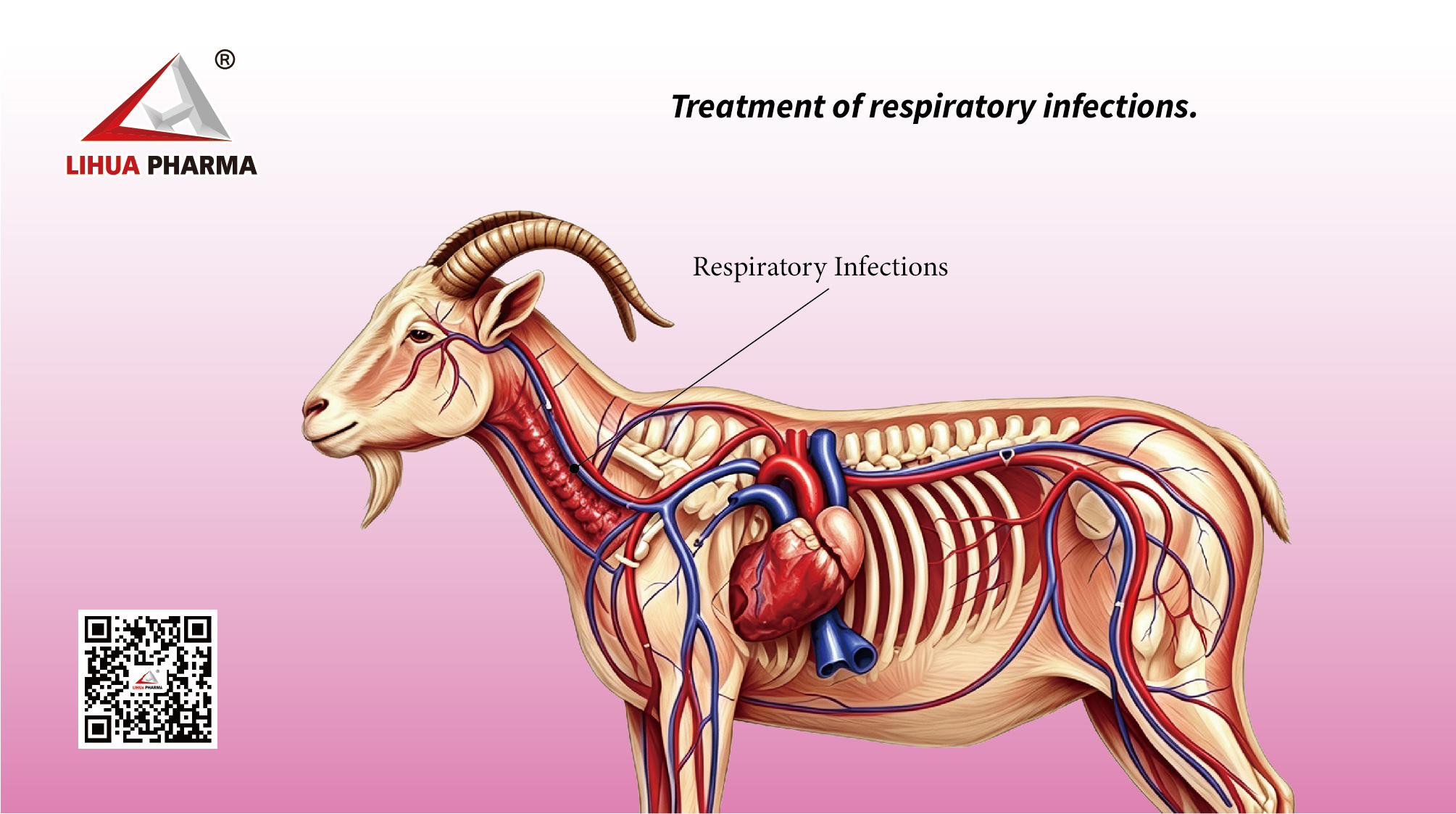
Respiratory infections and enzootic pneumonia are significant health concerns in livestock. These infections can lead to significant health issues, reduced productivity and even mortality if not addressed promptly. Tylosin Tartrate Injection 20% has emerged as a vital therapeutic agent.
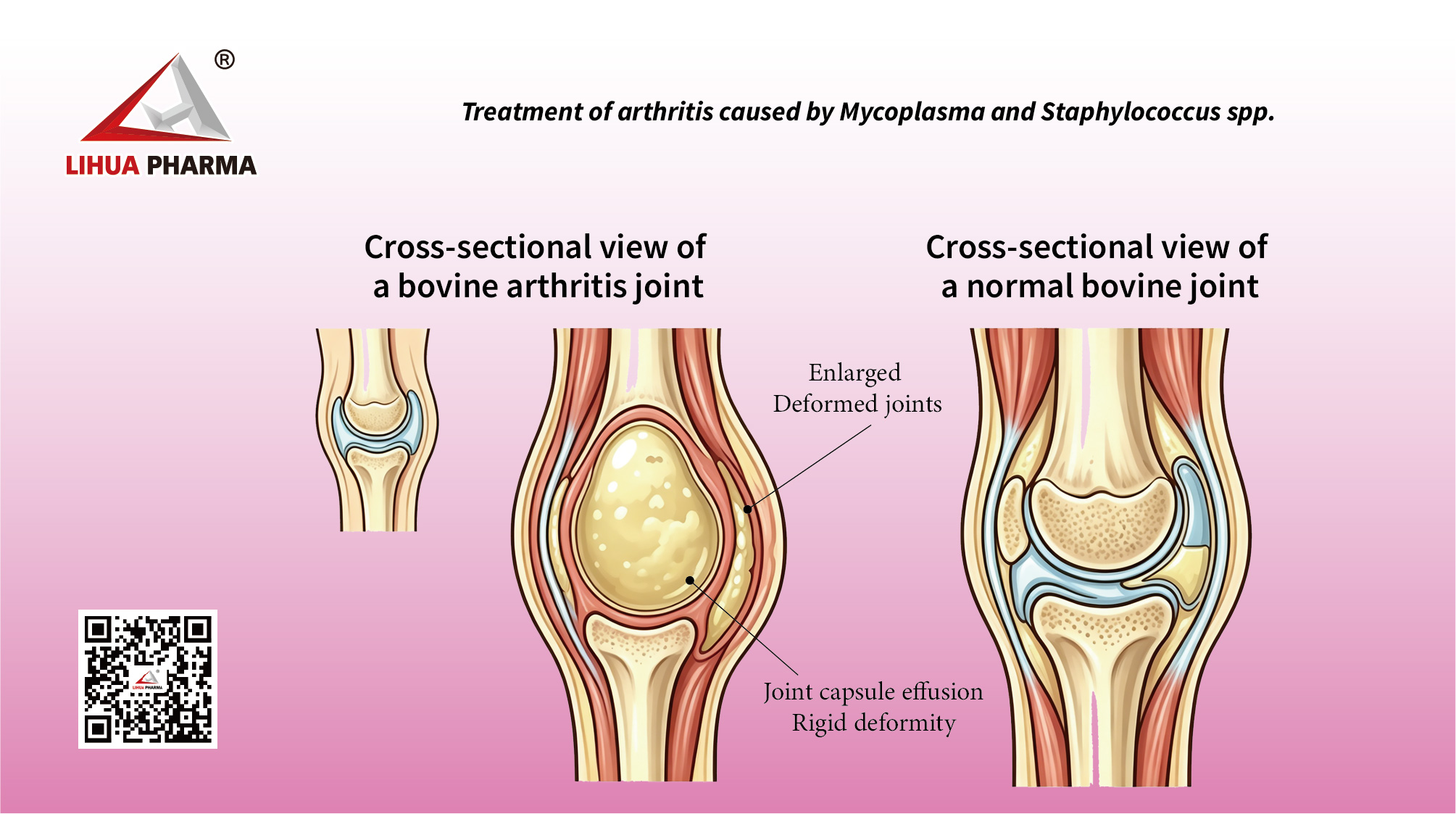
In addition to respiratory diseases, Tylosin Tartrate is also effective against dysentery and arthritis caused by Mycoplasma species. These conditions can severely impact the quality of life for livestock, leading to pain and discomfort. The antibiotic’s ability to target these specific bacterial infections allows for a more targeted treatment approach, reducing the need for broad-spectrum antibiotics and minimizing the risk of antibiotic resistance.
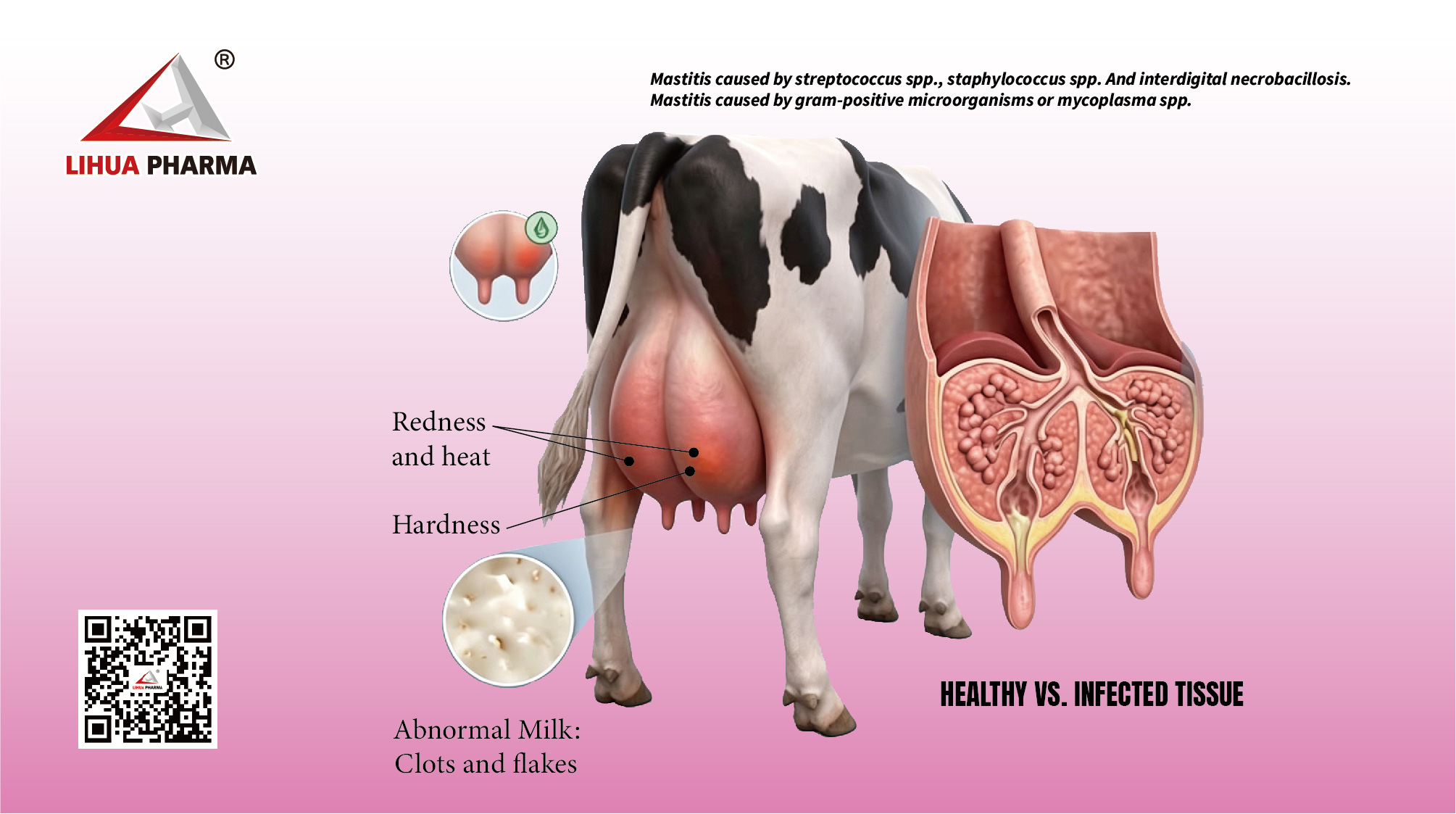
Furthermore, Tylosin Tartrate Injection is beneficial in managing mastitis and endometritis in dairy cattle. Mastitis, an infection of the mammary gland, can lead to decreased milk production and quality, while endometritis can affect reproductive performance. By addressing these conditions with Tylosin Tartrate, farmers can improve both animal health and productivity, ultimately benefiting their operations.
The versatility of Tylosin Tartrate Injection 20% makes it an essential tool for veterinarians and livestock producers. By effectively targeting a range of infections in cattle, pigs, sheep, and goats, it helps maintain animal health and productivity. As the livestock industry continues to evolve, the role of effective antimicrobial treatments like Tylosin remains crucial in ensuring the well-being of animals and the sustainability of farming practices.
Post time: Jun-22-2026 | 66 views